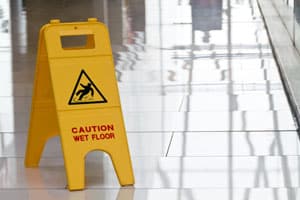
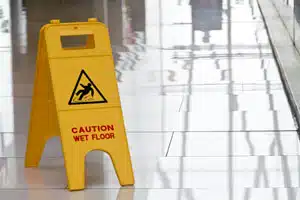
Seasoned Slip And Fall Lawyers Serving San Bernardino, CA
If you slipped, tripped, or fell on someone else’s property in San Bernardino and were injured, California’s premises liability law (Civil Code § 1714) may entitle you to compensation. Property owners — including businesses, landlords, and government entities — have a legal duty to maintain reasonably safe conditions. If they knew or should have known about a hazard and failed to fix it, they can be held liable. Contact our San Bernardino slip and fall attorneys for a free consultation.
Slip and fall accidents refer to any accident that occurs when someone slips or trips on a hazardous surface while on someone else’s property. When you are harmed because of hazardous conditions that are the responsibility of another person, business, or government you should contact a San Bernardino slip and fall attorney.
The law firm of Aitken * Aitken * Cohn has been representing San Bernardino injury victims for over 30 years. Contact an experienced slip and fall lawyer who will explain premises liability and determine if a lawsuit is the proper course of action.
Slip and Fall Causes
Slip and fall accidents can occur for various reasons, often due to hazardous conditions that make walking surfaces unsafe. These accidents can lead to injuries, and the causes of slip and fall accidents can include:
Wet or Slippery Floors
Spills: Liquid spills, whether from water, beverages, oil, or other substances, can create slippery surfaces, especially on hard floors like tile or hardwood.
Rain and Snow: Weather conditions can lead to wet or icy surfaces, making outdoor walkways, parking lots, and entrances hazardous.
Uneven Surfaces
Cracked Pavement: Uneven or damaged pavement, sidewalks, or walkways can create trip hazards.
Potholes: Unfilled potholes in parking lots or roadways can lead to uneven walking surfaces.
Loose or Torn Carpeting
Loose, torn, or frayed carpeting in homes, offices, or public places can create tripping hazards.
Improper Cleaning and Maintenance
Inadequate Maintenance: Failure to maintain floors and walkways, leading to wear and tear, can result in hazards.
Excessive Wax or Polish: Overapplication of wax or polish on floors can make them extremely slippery.
Inadequate Lighting
Poorly lit areas can make it difficult to identify potential hazards or changes in walking surfaces.
Debris and Obstacles
Clutter: Objects left in walkways or aisles can pose tripping hazards.
Building Materials: Construction materials or tools left in areas where people walk can lead to accidents.
Lack of Handrails
Staircases without proper handrails or with damaged handrails can result in falls.
Improperly Designed or Built Stairs
Uneven Steps: Stairs with uneven riser heights or tread depths can lead to tripping.
Lack of Nosing: Stairs without a defined edge or nosing can be hazardous.
Slippery Steps: Smooth or polished stair surfaces can increase the risk of slipping.
Inadequate Warning Signs
Lack of Warning Signs: Failure to place warning signs or barriers near hazardous areas can lead to accidents.
Faded or Illegible Signs: Signs that are no longer visible or have unclear warnings can be ineffective.
Footwear
Inappropriate footwear, such as shoes with worn-out soles or high heels, can increase the risk of slipping and falling.
Rain or Ice Mats
Rubber mats used for rain or ice can create a tripping hazard if not properly secured.
Spilled or Scattered Materials
In industrial or commercial settings, materials like oil, grease, or powders can be spilled or scattered, creating a slippery surface.
They often occur in parking lots, supermarkets, government offices, or private homes. In order to prove negligence for an accident, a slip and fall lawyer will prove whether a property owner or operator was responsible for the conditions. This can include the property owner being responsible for unsafe conditions, and the property owner being aware of the hazard but not trying to correct it. Our San Bernardino slip and fall accident attorneys are here to help you.
How to Prove a Slip and Fall Case in California
1. DUTY: The property owner owed you a duty of care. In California, owners owe this duty to all lawful visitors (Civil Code § 1714). 2. BREACH: The owner failed to maintain the property reasonably. They either created the hazard, knew about it and ignored it, or should have discovered it through regular inspection. 3. CAUSATION: The unsafe condition directly caused your fall and your injuries. Medical records, incident reports, and expert testimony connect these dots. 4. DAMAGES: You suffered real, quantifiable harm — medical bills, lost wages, pain and suffering. Key evidence to preserve immediately: photographs of the hazard, the incident report, witness names, surveillance footage (request in writing immediately — often overwritten within 24–72 hours), and your footwear at the time of the fall.
Premises Liability Litigation
Once negligence has been established, it’s also necessary to prove who has premises liability for the property on which the accident occurred. Premises liability basically means establishing who has ownership, possession and/or control of the property in question. Establishing premises liability can often involve complex investigation and requires a slip and fall lawyer with the resources of an experienced injury law firm.
Frequently Asked Questions — Slip and Fall in San Bernardino
Two years from the date of the accident (CCP § 335.1). IMPORTANT EXCEPTION: If the property is owned by a government entity (city, county, school district), you must file a government tort claim within SIX MONTHS — missing this deadline typically bars your case entirely.
You can still win if you prove they should have known — for example, if the hazard existed long enough that a reasonable inspection would have found it. Courts often examine the business’s cleaning and inspection logs.
You can still pursue a claim. However, request the store’s surveillance footage in writing immediately — many systems overwrite within 24–72 hours. An attorney can send a spoliation letter demanding evidence preservation.
Yes, but the six-month government tort claim deadline under California Government Code § 911.2 is strict. Contact an attorney immediately if a government-owned property was involved.
Premises liability is the legal doctrine holding property owners responsible for injuries caused by unsafe conditions on their property. Slip and fall is the most common type of premises liability claim in California.
California's pure comparative fault rule means you can still recover compensation even if you were partly responsible. For example, if the court finds you 30% at fault, you can still recover 70% of your total damages.
In San Bernardino, the most common locations for slip and fall accidents include: grocery stores and big-box retailers (wet floors, uneven surfaces, poor lighting), Carousel Mall and other commercial shopping areas, San Bernardino International Airport, government buildings and courthouses, public parks and recreational facilities maintained by the city or county, apartment complexes with poorly maintained common areas, and restaurants and bars. Falls on government-owned sidewalks and crosswalks near downtown San Bernardino are also a significant category — these require prompt action due to the 6-month government claim deadline.
Yes. California landlords have a legal duty to maintain common areas — parking lots, stairwells, walkways, laundry rooms, and lobbies — in reasonably safe condition. If your fall was caused by a broken stair, inadequate lighting, an uneven walkway, or a lack of handrails that the landlord knew about (or should have discovered through reasonable inspection), you can hold both the landlord and the property management company liable. Document the hazard with photographs immediately after the fall, report it in writing to the landlord, and seek legal advice.
The most critical evidence in a slip and fall case is: (1) Photographs of the exact hazard before it is cleaned or fixed — taken on your phone at the scene. (2) Surveillance camera footage — request it in writing from the property owner within 24 hours, as most systems overwrite automatically. (3) An incident report filed with the property owner or manager on the day of the fall. (4) Witness contact information — even a name and phone number. (5) Your medical records from the initial treatment, connecting the fall to your injuries. (6) Your footwear — don't throw it away. An attorney can also subpoena inspection and maintenance logs, cleaning schedules, and prior accident reports for the same location.
Slip and fall settlement values in San Bernardino vary widely based on injury severity. Minor soft tissue injuries with no surgery may settle for $15,000–$50,000. Cases involving fractures (hip, wrist, shoulder) that require surgery typically settle in the $75,000–$250,000 range. Falls resulting in traumatic brain injuries, spinal injuries, or requiring long-term rehabilitation can reach $500,000 to $1M+. Falls involving elderly plaintiffs tend to have higher values due to the severity of typical injuries (hip fractures, TBI) and longer recovery periods. A free case evaluation from our San Bernardino attorneys can give you a realistic range for your specific situation.
Contact a San Bernardino Slip and Fall Attorney Today
The party or parties with premises liability are ultimately responsible for injuries that occur on the property. If you have been injured by an accident, a San Bernardino slip and fall attorney at Aitken * Aitken * Cohn can help you. Contact us today to receive the compensation you deserve.